Roding Valley wedding flowers by Chigwell florists
Posted on 20/10/2026
Roding Valley wedding flowers by Chigwell florists: a practical guide to getting the look, timing, and details right
If you are planning Roding Valley wedding flowers by Chigwell florists, you are probably juggling a few big decisions at once: style, season, budget, venue fit, and whether the flowers will still look fresh by the time the speeches start. Fair enough. Wedding flowers are one of those details that seem simple from a distance, then suddenly become a proper puzzle once you start choosing bouquets, buttonholes, centrepieces, and colours that all need to work together.
This guide is here to make that easier. It explains how wedding flowers are usually planned for Roding Valley celebrations, what local couples tend to need from a Chigwell florist, and how to avoid the common mistakes that can make a floral plan feel rushed or mismatched. You will also find practical steps, comparison advice, and a checklist you can actually use. No fluff. Just the useful stuff, laid out clearly.
Whether you are after something soft and romantic, clean and modern, or rich and seasonal, the right floral approach should feel calm, organised, and personal. And yes, it should still look lovely in the photos after a long day. That matters more than people sometimes admit.
- Why it matters
- How it works
- Key benefits
- Who this is for
- Step-by-step guidance
- Expert tips
- Common mistakes
- Tools, resources and recommendations
- Law, compliance, standards, or best practice
- Options and comparison
- Real-world example
- Practical checklist
- Conclusion
- Frequently asked questions
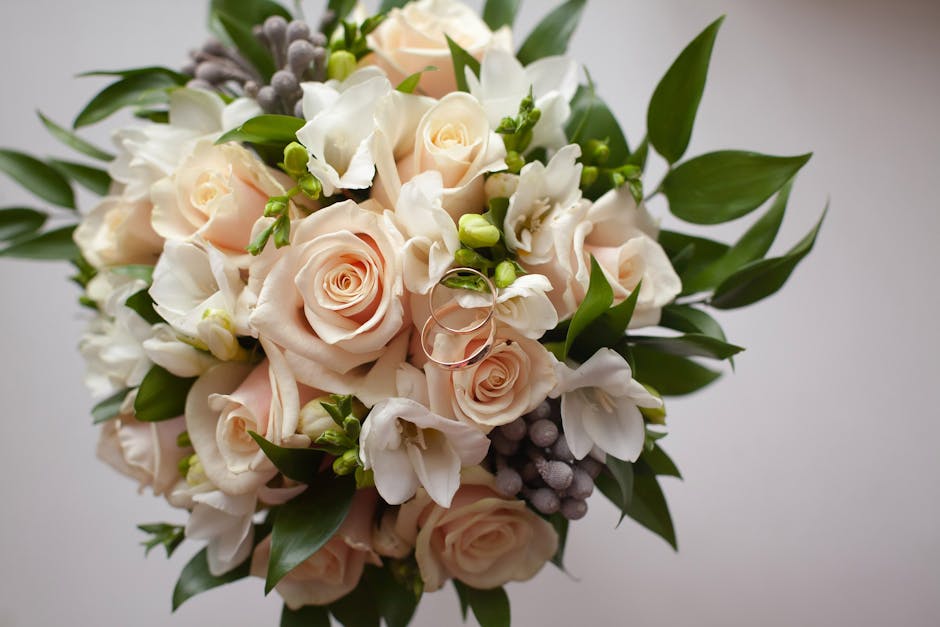
Why Roding Valley wedding flowers by Chigwell florists Matters
Wedding flowers do more than decorate a room. They set the tone the moment guests walk in, they guide the colour story of the day, and they make the ceremony and reception feel intentional rather than pieced together at the last minute. For couples in and around Roding Valley, working with a Chigwell florist can be especially useful because the planning is local, the communication is easier, and the florist is more likely to understand the pace and expectations of nearby venues and events.
That local understanding matters for a simple reason: wedding flowers are time-sensitive. A bouquet for a spring civil ceremony is not the same brief as a full church-and-reception setup in late summer. A florist who regularly works across the Chigwell and Roding Valley area will usually have a better sense of what travels well, what holds up through a long day, and what combinations feel elegant rather than overdone.
There is also the emotional side. Let's face it, the flowers are in a lot of the photos. They are held in nervous hands before the aisle walk, they sit on the top table during the meal, and they often end up in the middle of those little moments people remember later: a hug, a toast, a glance across the room. A good floral plan supports those moments without shouting over them.
In our experience, couples often underestimate how much the flowers influence the overall mood. A bouquet with delicate whites and soft greens feels very different from one with bold roses and deep seasonal tones. Neither is better. They simply tell different stories.
Expert summary: The best wedding flowers are not just pretty. They are coherent, seasonally sensible, venue-friendly, and planned with enough lead time to avoid last-minute compromises.
How Roding Valley wedding flowers by Chigwell florists Works
The process is usually more straightforward than people fear, although there are a few moving parts. A Chigwell florist will normally begin with a conversation about your venue, date, colours, dress style, and the key arrangements you need. From there, they narrow down what makes sense for the season and budget, then shape the designs around your wedding rather than forcing you into a fixed template.
For a local wedding, that might include the bridal bouquet, bridesmaid bouquets, buttonholes, table arrangements, a ceremony piece, and perhaps a few extras such as a staircase arrangement, flower petals, or floral accents for signage. If you are planning a smaller celebration, the focus may stay on fewer pieces with more impact. Quite often, that is the smarter route anyway.
Chigwell florists who handle wedding work typically think in terms of both design and logistics. Design is the obvious bit. Logistics is the less glamorous bit, but it is the one that saves stress. How will the flowers be stored before delivery? What time do they need to arrive? Will the buttonholes need pins or magnets? Will the centrepieces obstruct conversation? These are not dramatic questions, but they are the questions that keep the day smooth.
If you want to explore the wedding-specific range, the weddings collection is a helpful place to start, especially if you are comparing bouquet styles, table arrangements, and groom accessories in one place.
A practical planning flow often looks like this:
- Choose your wedding style and colour direction.
- Decide which floral pieces are essential and which are optional.
- Match the flower choices to the season and venue.
- Confirm delivery timing and setup needs.
- Review the final plan before the wedding date.
That sequence sounds simple because it is. The challenge is keeping it calm and realistic, not trying to do everything at once.
Key Benefits and Practical Advantages
There are real advantages to choosing wedding flowers locally rather than treating them as an afterthought. For one thing, a nearby florist can often be more responsive if something changes. Wedding plans have a funny habit of shifting around, and not always in small ways. A local florist is generally better placed to adapt when the guest count changes or the ceremony timing moves by half an hour.
Another advantage is consistency. When the same florist handles the bouquet, buttonholes, and table flowers, the designs feel connected. The colours repeat in a natural way, the textures complement each other, and the whole day feels more polished. You do not need to overexplain your vision to three different suppliers. That alone can save a lot of energy.
Here are some practical benefits couples usually value:
- Better fit with the venue because the florist can suggest sizes and styles that suit the room.
- Cleaner visual flow across ceremony and reception flowers.
- Less stress on the day thanks to local delivery and easier communication.
- More sensible seasonal choices that look good and are less likely to feel forced.
- Design continuity between bridal flowers, bridesmaid bouquets, and table arrangements.
There is also value in straightforward advice. A good florist should be able to say, gently but clearly, that your first idea might not work quite as well as a different one. That is not a rejection. That is expertise. To be fair, most couples appreciate honesty once they see the reasoning.
If you are trying to keep options open without losing direction, a versatile choice like florist choice can help if you want the floristry team to work within a theme while still choosing the best stems available.
Who This Is For and When It Makes Sense
This approach makes sense for couples who want their flowers to feel personal, well organised, and appropriately local. It is especially useful if you are marrying in or around Roding Valley and want the reassurance of speaking to a florist who understands nearby venues, delivery timing, and the practical realities of getting flowers from studio to ceremony without a fuss.
It also suits people who do not want to spend hours comparing endless options without a clear framework. Wedding flower planning can become surprisingly overwhelming. One minute you are choosing between roses and lisianthus, and the next you are deep into ribbon shades. A local florist helps cut through that noise.
This may be the right fit if:
- you want a bouquet and ceremony flowers that match the same overall style
- you are planning a wedding with a fixed budget and need honest prioritisation
- you prefer fresh, season-aware advice rather than a one-size-fits-all package
- you need flowers that suit a specific venue layout or reception space
- you want a florist who can manage delivery and setup locally
It is also a smart choice if you are planning a smaller wedding and want each floral piece to do more work. A few well-chosen arrangements can have a bigger impact than a large number of scattered extras. Really, it can. A simple bouquet, a pair of buttonholes, and one solid table arrangement can carry a room if they are chosen well.
Step-by-Step Guidance
If you want the flowers to feel easy on the day, start early and work in order. A structured approach keeps you from making emotional decisions under pressure, which is when budgets quietly disappear. Happens all the time.
1. Begin with the venue and the photos
Look at the room, the ceremony space, and the areas that will appear in photographs. Ask yourself what needs softening, what needs highlighting, and where a floral focal point would actually make sense. A wide entrance may need something different from a narrow registry room table. Obvious, perhaps, but easy to miss when you are focused on colour swatches.
2. Decide the priority pieces
For most weddings, the priority pieces are the bridal bouquet, bridesmaid bouquets, buttonholes, and table flowers. If the budget allows, ceremony pieces or feature installations can add drama. If not, do not force it. A well-built core package usually does more for the day than one large flourish that leaves everything else underdone.
3. Choose a style language
By style language, we mean the look and feeling you want the flowers to communicate. Soft and romantic? Clean and elegant? Seasonal and garden-like? Luxurious and structured? Once you choose a language, decisions become easier. The bouquet, buttonholes, and centrepieces can all speak the same visual language.
4. Match flowers to season and availability
This is where a florist's judgement really matters. Some flowers are naturally better suited to certain times of year. Others are available, but at a cost or appearance that may not be ideal. A sensible florist will guide you towards blooms that are beautiful, reliable, and honest about the season. There is a quiet elegance in working with what is naturally at its best.
5. Confirm the practical details
Before anything is finalised, check delivery timing, setup requirements, transport details, and what happens if the venue access is limited. A lot of floral stress comes from access problems, not design problems. If the flowers arrive beautifully but nowhere to put them, well, that is a headache nobody wants.
6. Review the final plan against the day itself
Think about the ceremony time, meal schedule, and how long the flowers need to last. A bouquet should still look graceful by the reception, not tired and floppy by the starter course. The florist should help account for that.
Expert Tips for Better Results
The best wedding flower plans are usually the ones where the couple is clear, but not rigid. That balance is hard to teach, but it makes a massive difference.
Keep one strong focal point. If everything is trying to be the star, nothing really is. A bouquet can be the statement piece, while table arrangements stay softer and more supportive.
Use texture as much as colour. Petals are only part of the story. Foliage, bud shape, and stem movement all change the feel. A bouquet with roses and lisianthus will read differently from one with roses and orchids, even if the colour is almost the same.
Be realistic about the venue. A large arrangement may look perfect in a showroom and feel overwhelming on a small table. Scale matters. A lot more than people expect.
Ask what flowers will last best through the day. This is especially useful for summer weddings or venues with warm rooms and lots of guest movement. Some blooms are lovely but delicate. Others are surprisingly durable.
Keep a little flexibility. If a flower is unavailable, the florist may suggest a close substitute that keeps the design intact. That is not "second best". It is how experienced floristry works.
Use the bridal bouquet to guide the rest. Once the bouquet is right, the rest of the flowers become easier to design. The colour palette, shape, and overall mood are already set.
A small human note here: couples often come in thinking they need something extravagant, then realise that the prettiest version of their idea is usually the calmer one. Funny how that happens.
Common Mistakes to Avoid
Wedding flower mistakes tend to come from rushing or overcomplicating. Neither is hard to do when you have ten other things on your mind.
- Leaving the flowers too late. The best planning happens with time to think and adjust.
- Choosing by image alone. A bouquet might look lovely online but be too large, too fragile, or too busy for your actual day.
- Ignoring venue scale. A room that looks spacious on a visit can feel very different once guests, tables, and decor are in place.
- Mixing too many styles. Romantic, rustic, tropical, and classic all at once can lose coherence fast.
- Forgetting practical handling. Buttonholes, transport, water, storage, and pinning all matter.
- Assuming every flower is available all year. Seasonal reality is part of good planning, not a limitation to fight.
One of the most common errors is trying to make every part of the wedding equally floral. That sounds lush in theory, but in practice it can crowd the room. A few well-placed arrangements often look more elegant. Less can be more. Not always, but often enough.
Another mistake is not speaking up about preferences. If you hate a certain shape, say so. If you love a particular shade of white or blush, mention it early. A florist cannot read your mind, no matter how experienced they are. Wouldn't that be convenient, though?
Tools, Resources and Recommendations
You do not need a huge toolkit to plan wedding flowers well, but a few simple resources make the process far easier.
- Venue photos from your visit, especially tables, windows, and ceremony areas.
- Outfit images for the dress, bridesmaids, or suit styling so colour and texture can be matched properly.
- Colour notes listing your preferred tones, and just as importantly, the tones you want to avoid.
- Guest and table plan if you are considering centrepieces or table dressing.
- Budget band so the florist can advise realistically from the start.
If you are comparing style directions, it can help to browse bridal-specific options like the wedding bridal bouquets, wedding bridesmaid bouquets, wedding buttonholes, and wedding table arrangements pages. Seeing the different roles side by side often makes the overall plan click into place.
For couples who want a more composed, coordinated approach, the I Cherish You wedding collection is a useful reference point. It gives a sense of how a bridal bouquet, bridesmaid bouquet, and supporting flowers can feel unified without becoming repetitive.
If you need a more elevated or statement-led style, the Royal Essence wedding collection and Pure Romance wedding collection are also worth looking at for inspiration. Different names, yes, but the real value is in understanding the feel behind each design direction.
Law, Compliance, Standards, or Best Practice
Wedding floristry is not a heavily regulated topic in the way some industries are, but there are still sensible standards and best practices that matter. Clear pricing, clear delivery expectations, and clear agreement on what is being supplied are all part of professional service. If a florist is handling your wedding flowers, you should know what is included, what is optional, and what happens if details change.
For local wedding planning, it is also wise to think about venue rules. Some venues allow only certain forms of decoration, or they may ask for careful handling of candles, hooks, petals, or installations. A florist working in the area should be used to these kinds of practical boundaries and help you plan within them.
Another best practice is to confirm seasonal substitutions in advance. That sounds formal, but it is just sensible. If a specific bloom becomes unavailable, you want to know the florist may replace it with a flower that keeps the design coherent rather than forcing a weak version of the original concept. That kind of agreement avoids disappointment.
From a business and consumer-trust angle, you should also expect transparent information about payment, delivery, care, and returns where relevant. If you are ordering online or arranging flowers in advance, checking the store's payment, delivery, returns and refund, and terms and conditions pages can help you understand the service properly. The same goes for the florist's guarantees and flower care guidance, which are especially useful if you are arranging flowers in stages.
Best practice is really just common sense with flowers: plan clearly, agree the details, and make sure the final design can actually work on the day. Simple, yes. But it saves a lot of stress.
Options, Methods, or Comparison Table
There is no single right way to organise wedding flowers. The best method depends on budget, venue size, and how floral you want the day to feel. Here is a straightforward comparison to help you choose.
| Approach | Best for | Strengths | Watch-outs |
|---|---|---|---|
| Core essentials only | Small weddings, tighter budgets | Focused, elegant, cost-aware | Can feel sparse if the venue is large |
| Balanced package | Most couples | Good coverage, cohesive look, sensible value | Needs early planning to avoid compromise |
| Statement-led floral design | Feature-heavy or photo-focused weddings | Memorable, dramatic, highly styled | Can cost more and needs stronger coordination |
| Seasonal florist-led selection | Couples open to expert guidance | Freshest look, often better value, less pressure | Requires trust and flexibility |
In practical terms, most couples end up somewhere between the first and second rows. That is perfectly sensible. You do not need every possible floral element to create a beautiful setting.
If you prefer a softer bridal look, browsing something like a brides bouquet style can help you visualise the balance between shape, flower size, and colour. If your bridal party is larger, a matching bridesmaid bouquet style may help keep the whole group visually aligned.
Case Study or Real-World Example
Imagine a couple planning a late-spring wedding near Roding Valley. They want the day to feel light, welcoming, and intimate, but not overly rustic. The venue has pale walls, modest table space, and a ceremony room that already has enough character, so there is no need to overpower it.
Instead of spreading the budget thinly across too many pieces, they choose a bride bouquet, two bridesmaid bouquets, four groom buttonholes, and a handful of table arrangements. The bouquet uses soft whites and gentle pink tones, while the table flowers stay quieter and more textural so they do not compete with the food and candles. The overall effect is calm and cohesive.
The florist also suggests keeping the centrepieces low enough for conversation and selecting flowers that will hold their shape through a long afternoon. That small decision makes a big difference. Guests can talk across the table, the photos feel airy, and the flowers still look fresh during the evening reception.
What worked well here was not extravagance. It was restraint, timing, and consistency. The couple did not chase every trend. They built around the venue and the day itself, which is usually the smartest way to do it.
A tiny real-world detail: when the bouquet arrived, the bride wanted it slightly more compact than she had imagined from the first sketch. The florist adjusted it calmly. That kind of flexibility is worth a lot on a wedding morning, when nerves are already doing their thing.
Practical Checklist
Use this checklist to keep things on track in the run-up to the wedding.
- Confirm the wedding date, venue, and ceremony time.
- Decide which floral items are essential.
- Choose your colour palette and general style.
- Gather dress, suit, and venue photos for reference.
- Set a realistic budget before requesting designs.
- Ask about seasonal flowers and suitable substitutions.
- Check delivery times and venue access details.
- Confirm how bouquets and buttonholes will be packed or presented.
- Review the final order before the wedding week.
- Ask about care instructions for the bouquets after delivery.
Checklist done? Good. That little bit of organisation saves a surprising amount of stress later on.
Conclusion
Roding Valley wedding flowers by Chigwell florists should feel personal, local, and easy to trust. The right florist will help you shape a look that suits the venue, the season, and the tone of your day without turning the process into a guessing game. That is the real goal: beautiful flowers, clearly planned, delivered without drama.
If you keep the focus on coherence, timing, and practical fit, you will usually end up with better results than if you chase too many ideas at once. Start with what matters most, stay open to expert advice, and let the flower plan support the day rather than dominate it. Simple enough, really.
Get a free quote today and see how much you can save.
Frequently Asked Questions
What do Roding Valley wedding flowers by Chigwell florists usually include?
They often include bridal bouquets, bridesmaid bouquets, buttonholes, table arrangements, and sometimes ceremony flowers or feature pieces. The exact mix depends on your venue, guest count, and budget.
How far in advance should I book wedding flowers?
As early as you can, ideally once your date and venue are confirmed. That gives you more choice, more time to plan the look, and less risk of last-minute substitutions.
Can a florist help if I do not know my colour scheme yet?
Yes. A good florist can start with your venue, outfit, and general style preferences, then suggest a palette that feels balanced and seasonally appropriate. You do not need every detail finalised on day one.
Are seasonal flowers better for weddings?
Usually, yes. Seasonal flowers are often fresher, more reliable, and better suited to the time of year. They can also be easier to style naturally, which helps the arrangements feel more relaxed and elegant.
What if I want something simple rather than a full floral package?
That is completely normal. Many couples choose a small set of essential pieces and leave it at that. A strong bouquet and a few supporting flowers can be more effective than a long list of extras.
How do I choose between romantic and modern wedding flowers?
Look at your venue, outfit, and overall styling. Romantic flowers tend to feel softer, fuller, and more layered, while modern designs usually use cleaner shapes and a tighter colour palette. The venue often points you in the right direction.
Will the flowers still look good through the whole wedding day?
They should, provided the florist plans for timing, handling, and the venue conditions. Some flowers last better than others, so it helps to ask which stems are most suitable for a full-day event.
Can I reuse ceremony flowers at the reception?
Often, yes. This is a practical way to make the most of your budget. A florist can suggest arrangements that move easily from the ceremony to the reception without losing impact.
Do I need matching flowers for the bridesmaids and buttonholes?
No, but some visual connection usually helps. The arrangements do not need to be identical. They just need to feel part of the same story, which is where a florist's eye helps a lot.
What should I ask my florist before booking?
Ask about availability, timing, flower options for your season, delivery details, setup help, and what happens if a specific bloom is unavailable. Clear questions at the start prevent confusion later.
Is it worth looking at wedding flower collections online before I decide?
Yes, because it helps you see what styles you naturally respond to. Browsing collections can narrow the field quickly and make your conversation with the florist much more useful.
What is the biggest mistake couples make with wedding flowers?
Probably leaving the floral planning too late or trying to fit too many ideas into one design. The best results usually come from a clear brief, sensible priorities, and trust in the florist's guidance.
In the end, the most memorable wedding flowers are usually the ones that feel like they belong to the day, not just the photograph. Get that right, and everything else tends to settle into place.